
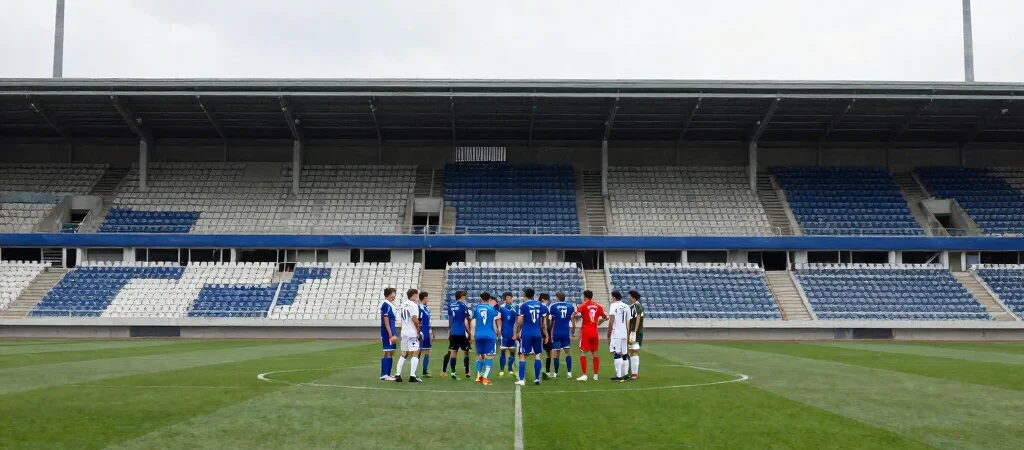
A match ends, the score is settled, and the simplest story is already on the screen. The report still has work to do: show how the contest developed, where control shifted, and which moments mattered beyond their place in the scoring summary. That context is what turns a result into an account of the game.
Find the game's turning point
A turning point does not have to be a goal or a late basket. In soccer, a change in pressing height can force a team to build through a different part of the pitch; in basketball, repeated switches can alter which matchup an offense tries to find. Describe the sequence and its consequence rather than declaring a moment decisive without showing why.
Build from observable detail
Look for patterns a reader can picture: a fullback advancing into space, a center contesting the glass, or a team struggling to move the ball past pressure. Pair those details with the match's confirmed events and result. Avoid turning one sequence into a sweeping judgment about a team's character or entire season.
Give the ending its context
Close by explaining what the performance means next, but keep the claim proportionate to the evidence from this game. A match report can identify a question for the next fixture without pretending to know its answer. The score tells readers what happened; the reporting should help them understand how.